How to Attract Birds to Your Bird Bath: The Ultimate Garden Guide
How to Attract Birds to Your Bird Bath: The Ultimate Garden Guide
Attracting wild birds to your garden requires more than simply filling a stone basin with water. Birds are continuously seeking safe, clean, and visible water sources for drinking and preening. Understanding wild bird behavior and implementing a few critical garden design principles can instantly transform your backyard into an active avian sanctuary.
Why Moving Water Is Essential for Attracting Wild Birds
Still water often goes unnoticed by flying birds. In nature, stagnant water can harbor bacteria, parasites, and mosquito larvae. Consequently, wild birds have evolved to seek out moving water. Moving water flashes in direct sunlight and creates rippling sound waves that birds can detect from significant distances.
Integrating a dynamic water flow ensures that birds hear and see your basin while overhead. A moving water feature creates ripples that prevent water stagnation, keeping the supply fresher for longer periods. Equipping your setup with a dedicated dynamic pump, such as a solar-powered option, introduces constant motion without requiring high maintenance overhead.
Strategic Placement of Your Bird Bath
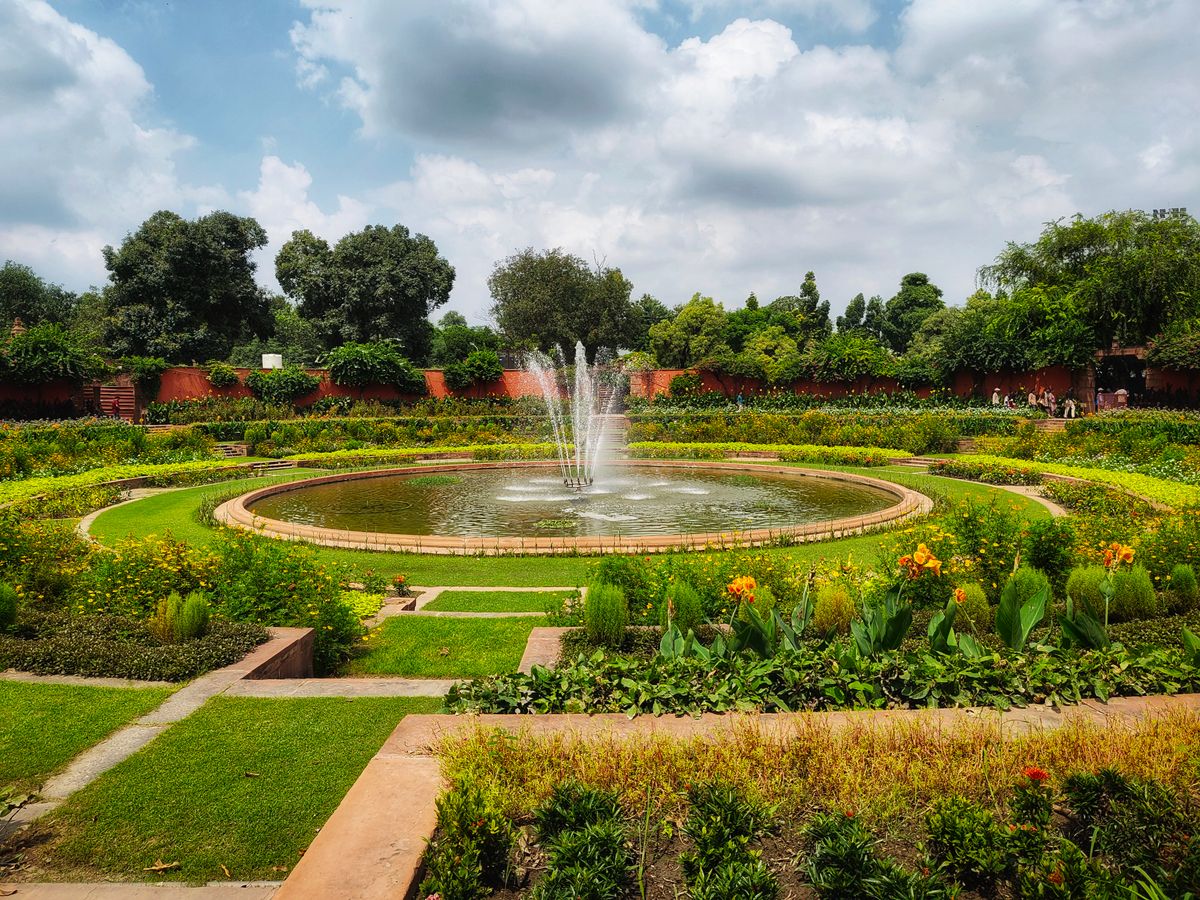
Photo by Mr Cool Hitman on Pexels
Where you put your bird bath directly influences how safe birds feel while visiting. Birds are vulnerable to predators when bathing, so placement requires a balance between open visibility and nearby safety.
- Proximity to Cover: Position the bath roughly 10 to 15 feet away from low bushes or tree branches. This allows birds to survey the area for danger while providing a quick escape route if predators appear.
- Shade and Sunlight Balance: Place the water feature where it receives partial sunlight. Sunlight helps power solar water features and keeps water visible, while partial shade prevents the water from overheating on hot summer afternoons.
- Elevation: Elevate the basin slightly above ground level to keep visiting wildlife safe from ground predators like domestic cats.
Enhancing Attraction with Sight and Sound
Visual dynamic effects and auditory cues double your chances of attracting diverse bird species. Water splashing generates soft acoustic vibrations that trigger a bird's natural drinking instinct.
To maximize visual interest, using multi-pattern sprays creates varying water heights and patterns. Gentle surface ripples work best for smaller species like finches and hummingbirds, whereas higher spray patterns attract larger birds like robins and blue jays. Combining gentle movement with bright, ambient elements can also extend the visual appeal of your garden feature into dusk and evening hours.
Cleanliness and Water Maintenance Standards
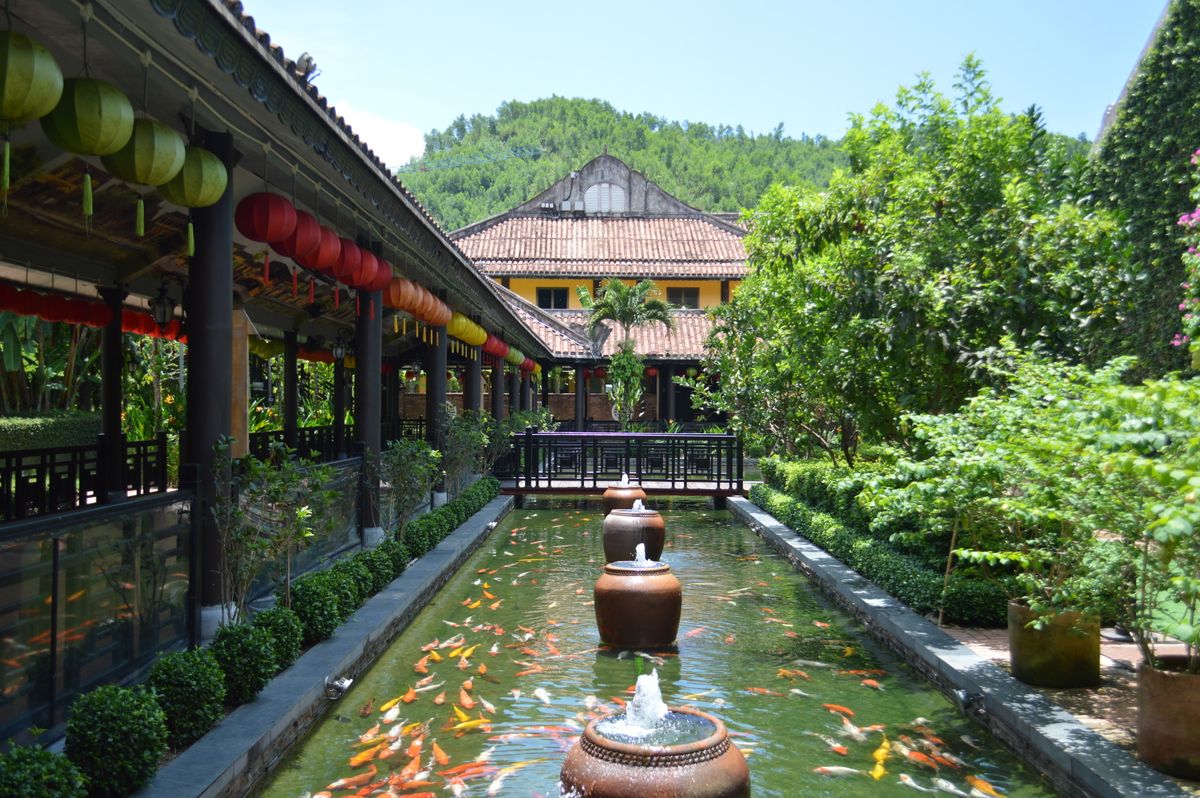
Photo by Valeria Drozdova on Pexels
Clean water is vital for avian health. Stagnant, dirty water deters birds and can transmit disease among local flocks. Establish a consistent maintenance routine to protect your feathered visitors:
Nighttime Landscaping and Garden Integration
While birds are most active during daylight hours, integrating illuminated landscape elements turns your bird bath area into a stunning garden focal point after sunset. Adding energy-efficient storage lighting or integrated illuminated dynamic fountains creates visual interest that enhances overall backyard aesthetic value, ensuring your sanctuary looks beautiful day and night.
Related in this cluster
- Why Moving Water Attracts Birds to Garden Baths
- Solar vs Electric Bird Bath Fountains: Which Is Best?
- How to Setup the Colorful Solar Fountain Pump in Your Yard
- Bird Bath Solar Fountain Troubleshooting and FAQ
- 7 Essential Tips to Keep Bird Bath Water Clean and Safe
- Stop Replacing Bird Baths: Solve Stagnant Water Problems
Cover photo by Iban Lopez Luna on Pexels.